Africa
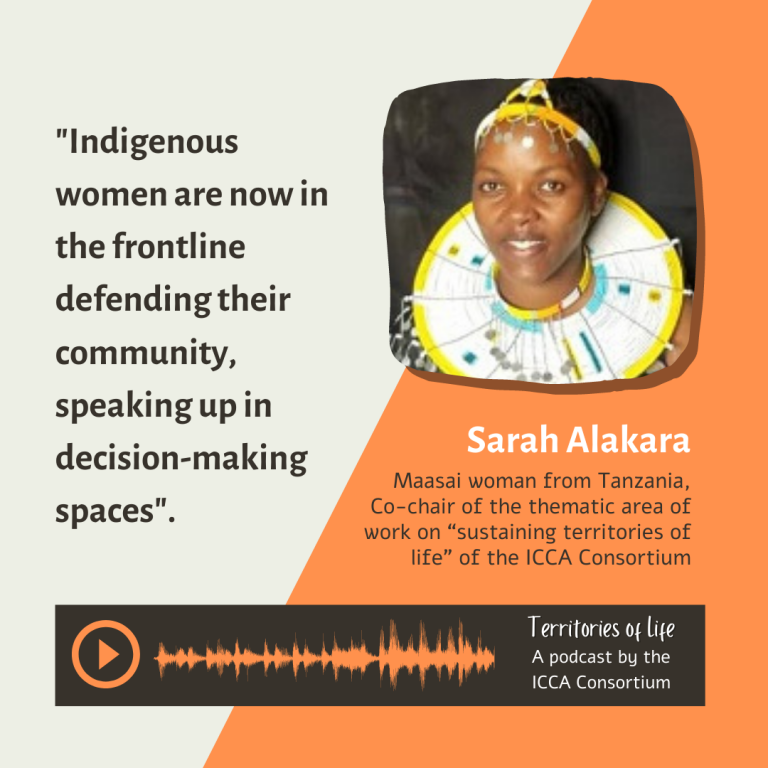
Podcast: Sarah Alakara reflects on International Indigenous Women’s Day
The ICCA Consortium has opened its online radio and released its first podcast episode of a series called “Territories of Life”, which is available… Read more “Podcast: Sarah Alakara reflects on International Indigenous Women’s Day” ▸

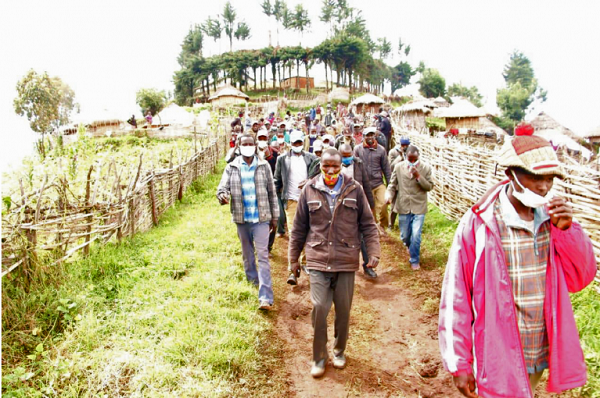
Kenya: Indigenous and Forest-dwelling Communities Report Illegal Evictions from Ancestral Lands during COVID-19 Pandemic
The ICCA Consortium joins more than 150 other organizations condemning the Kenyan government’s forced eviction of Ogiek and Sengwer families from their homes and ancestral lands in the name of conservation. Read more ▸
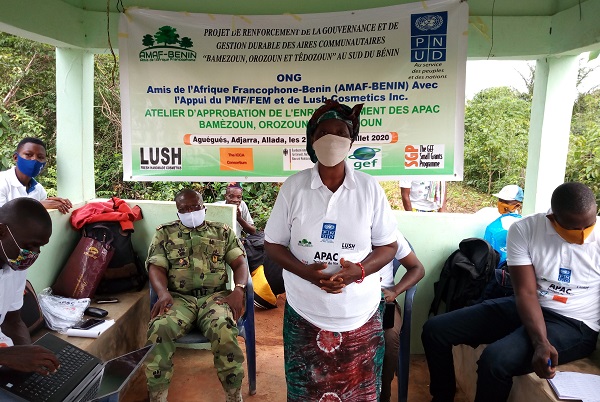
Community Custodians of Three ICCAs in Benin Decide to Register Internationally
AMAF-Benin (ICCA Consortium Member) organised several community dialogue and peer review workshops, during which the custodians of the Bamezoun, Orozoun and Têdozoun ICCAs agreed to submit them to the global ICCA Registry and the World Database on Protected Areas. Read more ▸
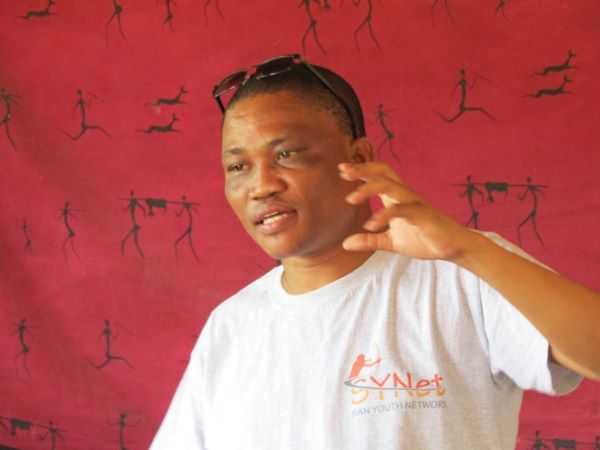
Support Our Member San Youth Network to Help San Communities Facing COVID-19 Crisis in Botswana
San Youth Network (SYNet), an ICCA Consortium Member for several years, is a youth organization that promotes a variety of development strategies that benefit… Read more “Support Our Member San Youth Network to Help San Communities Facing COVID-19 Crisis in Botswana” ▸
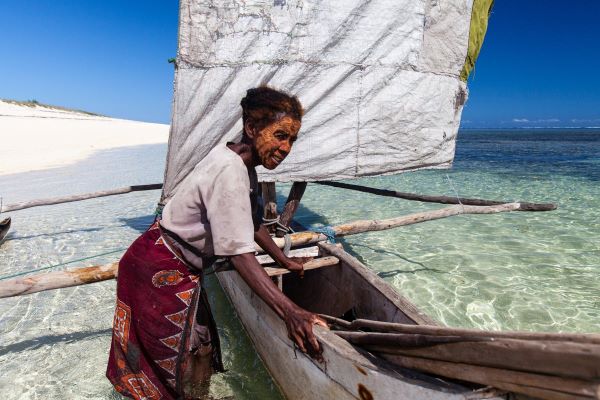
Celebrating Indigenous and Community Contributions to World Oceans Day
ICCA Consortium Members and Honorary members elevated the voices of Indigenous peoples and local communities in events on small-scale fisheries and ocean governance. Read more ▸
Congratulations to the 2020 Equator Prize Winners!
We extend our heartfelt congratulations to all the winners — including the five Indigenous peoples and communities who are affiliated with the ICCA Consortium membership. Read more ▸
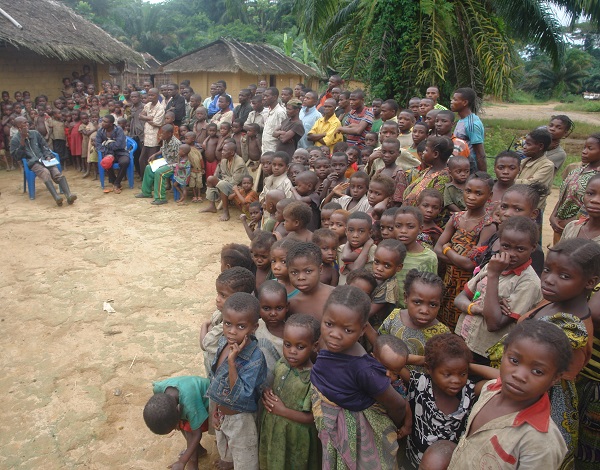
A Possible Legal Route to Secure and Reinforce ICCAs–territories of life in the Democratic Republic of the Congo
In Democratic Republic of the Congo, the National Assembly deemed the proposed “Organic Bill on fundamental principles relating to the protection and promotion of Indigenous peoples’ rights” admissible. This tremendous step forward is the result of a decade of advocacy work by the Indigenous movement in Congo, and could led to the recognition of Indigenous Pygmy peoples as well as their territories and ancestral knowledge. Read more ▸
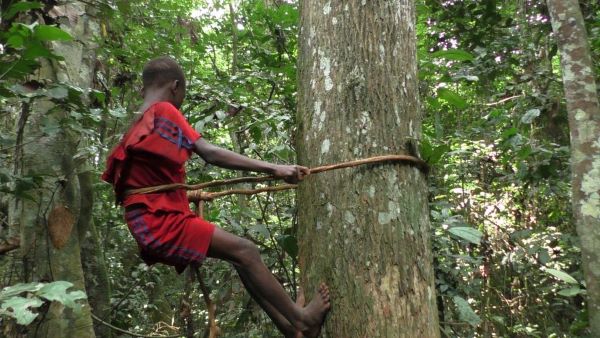
Ndima-Kali: BaAka and Sangha-Sangha Youth Organise to Promote Their Cultures and Fight Discrimination
In the heart of Africa, the Ndima-Kali association (ICCA Consortium Member) offers young BaAka and Sangha-Sangha people a space to defend and enhance their cultures. José Martial Bétoulet shares on the organisation’s history and actions. Read more ▸
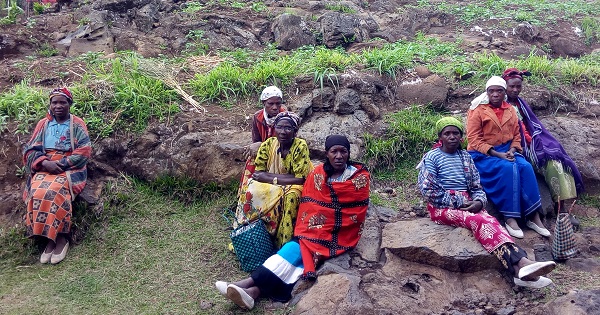
BIOSEC podcast on community conservation in Romania and Rwanda
Emerging biodiversity and wildlife policies may have the potential to change the same-old-same-old approaches of colonialist fortress conservation. Read more ▸
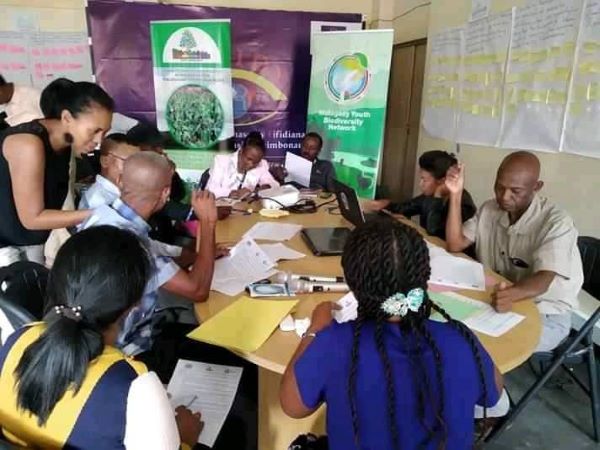
Local Communities and Youth Express Their Views on the New Post-2020 Global Biodiversity Framework, Toward a Shared Vision of Biodiversity in Madagascar
In Madagascar, our Member TAFO MIHAAVO and Malagasy Youth Biodiversity Network have united to gather Fokonolona and youth to analyse the current biodiversity governance and management in the island, and to shape a common future to preserve biodiversity. Read more ▸

Deborah Mowesley
Administration and Events Coordinator
A new resource for African environmental defenders
On International Human Rights Day, Natural Justice (ICCA Consortium Member) and the International Land Coalition present “African Environmental Defenders”, a resource for African land and environmental defenders. It aims at providing funding support in emergency situations. Read more ▸
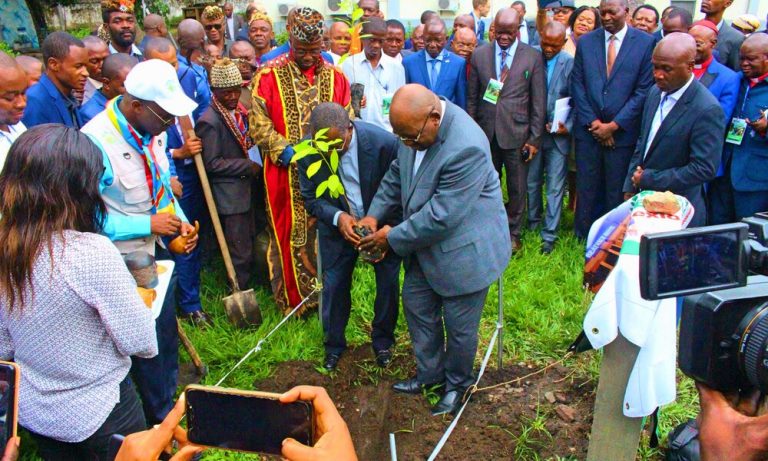
En République Démocratique du Congo, les Représentants Religieux S’engagent à Protéger les Forêts Tropicales en Reconnaissant les Territoires de Vie
A Kinshasa, ceux-ci ont affirmé que « la sécurisation des droits des autochtones sur leurs terres et territoires est une des meilleures garanties pour assurer la protection des forêts ». Read more ▸
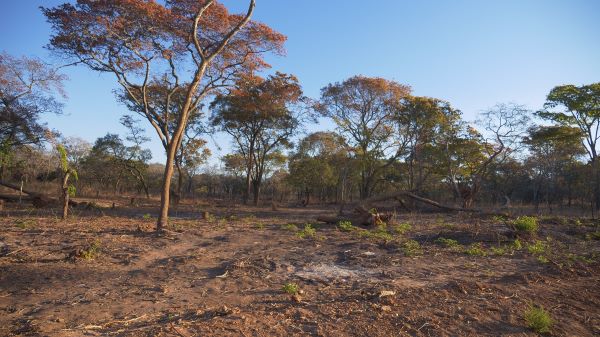
Water Flowing Up the Mountain: Development Devours Forest Reserve
A forest reserve outside Zambia’s capital has been shrunk significantly to make way for housing and lifestyle developments. Even worse, these new developments are pumping sewage into the Chalimbana River and contaminating the fish and water that local communities rely on. Local activists, like Robert Chimambo (ICCA Consortium Honorary member), are struggling to protect the river and forest, and hope to turn this territory into a community protected forest area. Read more ▸

ALAPA |
Association for Law and Advocacy for Pastoralists National NGO |
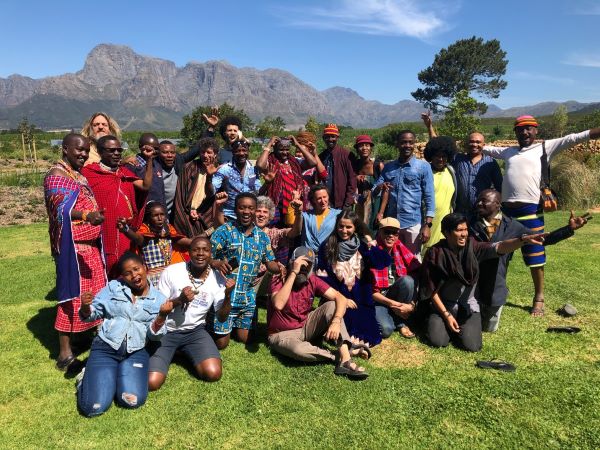
Pan-African Alliance Seeks to Protect Territories of Life With a Revolutionary Tool
Among the many existing tools for documenting ICCAs, the one proposed by InsightShare proves to be a powerful way for communities to create participatory media that reflects their unique concerns and amplifies their unique voices. InsightShare shared examples of effective uses of video during the Video4Change gathering, attended by 40 indigenous activists and video practitioners, including Ivan Vaalbooi and Lesle Jansen from Natural Justice (ICCA Consortium Member). Read more ▸